How to Use a State Pest Control Directory to Find Licensed Exterminators
Why a State Pest Control Directory Matters
Every homeowner or property manager eventually faces a pest problem, maybe it is termites eating through a floor joist, a sudden bed bug infestation in a rental unit, or a persistent rodent issue in the basement. In those moments, the first instinct is often to grab a phone and call the first exterminator listed online. That can work, but it also carries real risk. Pest control is a regulated trade for good reason. The chemicals and methods used in structural pest control can harm people, pets, and the environment if mishandled. That is where a state pest control directory becomes an essential tool.
A state pest control directory is a curated list of licensed pest control operators maintained by a state pesticide regulatory agency. It is not the same as a generic online search result. When you use a directory like Pestipedia, you are looking at companies that hold a valid pesticide license, have met state training requirements, and are subject to ongoing oversight. That matters a great deal because the difference between a certified pesticide applicator and an unlicensed handyman can be the difference between a solved problem and a legal liability.
I have been in the pest management industry for over fifteen years, and I have seen the consequences of hiring the wrong person. A homeowner once hired an unlicensed operator for termite treatment. The operator applied a restricted-use chemical at the wrong concentration, and the family had to vacate the house for a week while the Environmental Protection Agency got involved. That situation was avoidable. A quick check of a state pest control directory would have shown that the company was not listed, and the homeowner could have hired a reputable local pest control company instead.
What You Will Find in a State Pest Control Directory
Most state pest control directories are published by the state pesticide regulatory agency, often a division of the department of agriculture or environmental protection. The directory typically includes the name of the pest control service, the pest certification number issued by the state, the expiration date of the license, and sometimes the categories of work the company is authorized to perform. For example, a company might be licensed for general pest control but not for fumigation or termite treatment. That distinction is important because fumigation requires specialized training and equipment.
Some directories also list the name of the designated pesticide applicator or pest control operator responsible for the company's field operations. That person has passed an exam and is accountable for the proper use of pesticides. If you are looking for green pest control options, the directory can help you identify companies that advertise Integrated Pest Management (IPM) services, which rely on non-chemical methods first and use pesticides only as a last resort.
The National Pest Management Association also maintains a search tool, but it only includes member companies. A state pest control directory is more comprehensive because it includes every licensed company in the state, whether or not they belong to a trade association. That gives you a fuller picture of your local options.
How to Use the Directory Effectively
Using a state pest control directory is straightforward, but a little strategy goes a long way. Start by identifying the specific pest issue you are dealing with, bed bug extermination, mosquito control, rodent control, or general pest inspection. Then search the directory for companies that list those service categories. Call two or three companies and ask when their pesticide license was last renewed. A company that hesitates or gives a vague answer may not be keeping up with requirements.
Ask about their pest management plan. A good company will walk you through the steps they intend to take, the products they will use, and the safety precautions they follow. For example, a responsible local pest control company will explain how they handle structural pest control in a multi-unit building, where chemicals can drift into neighboring units. They should also be able to tell you whether they use bait stations, traps, or sprays for rodent control, and how they monitor for effectiveness.
Another practical tip: verify the company's pest certification number directly with the state agency. Sometimes a number in the directory is outdated, or the company has changed ownership. A quick phone call to the state pesticide regulatory agency can confirm that the license is still active and that no disciplinary actions have been taken against the company. This step takes ten minutes and can save you from a costly mistake.
Common Mistakes People Make
One common mistake is assuming that a big national chain is automatically better than a small local operator. National chains have resources, but they also have high turnover among technicians. A local pest control operator who has been in business for twenty years often knows the local pest pressures, the specific termite species in your area, the seasonal patterns of mosquitoes, the rodents that thrive in your particular climate. A state pest control directory helps you find those local experts because it lists all licensed companies, not just the ones with big advertising budgets.
Another mistake is hiring a company based solely on price. Cheap pest control often means cutting corners, using less expensive but more hazardous chemicals, skipping pest inspection, or failing to follow up after the initial treatment. A proper bed bug extermination, for instance, usually requires two or three visits and a combination of heat treatment, vacuuming, and targeted pesticide application. A low bid that promises to solve the problem in one visit is a red flag. The directory gives you a baseline of legitimacy, but you still need to evaluate the company's approach.
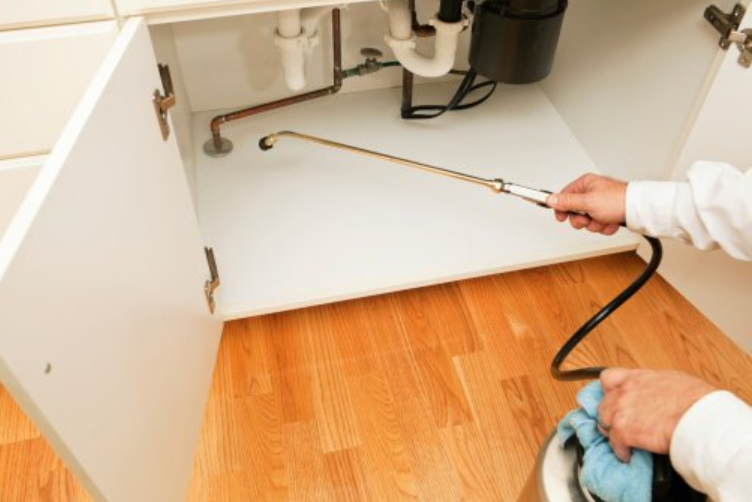
Some people also mistakenly believe that a state pest control directory is only for commercial properties or large infestations. In reality, it is just as useful for a single-family home. If you are dealing with a wasp nest in the attic or a rodent problem in the crawlspace, the same regulations apply. The exterminator you hire must be licensed, and the directory is the quickest way to confirm that.
Integrating the Directory with Other Research
The state pest control directory is not the only tool you should use, but it is a critical first step. After you identify a few licensed companies, check their reviews on independent platforms. Look for patterns in the feedback. A company that has multiple complaints about missed appointments or failing to return calls may not be reliable, even if their license is current. Also ask the company for proof of insurance. A legitimate pest control service will carry general liability and workers' compensation insurance. If a technician gets hurt on your property, you do not want to be held responsible.
For companies that offer green pest control or Integrated Pest Management, ask what specific methods they use. Some companies claim to follow IPM but still rely heavily on pesticides. A genuine IPM program starts with a thorough pest inspection to identify entry points, harborage areas, and food sources. The pest management plan then addresses those factors through exclusion, sanitation, and habitat modification before any chemical is applied. A directory helps you find those companies, but you still have to ask the right questions.
I once worked with a family whose home had a chronic rodent problem. They had hired three different exterminators over two years, but the mice kept coming back. When I looked at the pest management plan from the last company, it consisted only of setting snap traps and poison bait stations. That is a treatment, not a plan. A proper rodent control program requires sealing gaps, trimming vegetation away from the foundation, and removing food sources. The family had to find a company that understood that approach. The state pest control directory helped them locate a local pest control operator who specialized in exclusion work, and the problem was solved within a month.
Keeping the Directory in Perspective
A state pest control directory is a powerful resource, but it is not a guarantee of perfect service. Licensing ensures that a company meets minimum standards for training and safety. It does not guarantee that every technician will be courteous, punctual, or thorough. That is why you should treat the directory as a starting point, not the final word. Use it to build a shortlist of candidates, then do your own vetting.
Also keep in mind that some states update their directories more frequently than others. If you are looking at a directory from a state with a slow update cycle, a company listed as licensed may have since lapsed. Always confirm directly with the state pesticide regulatory agency. That is a small inconvenience compared to the headache of a botched job.
The structure of pest control regulation varies by state. Some states require every pesticide applicator to carry a personal license, while others license only the business entity. Some states have separate categories for termite treatment, fumigation, and mosquito control. Understanding your state's system helps you interpret the directory correctly. The National Pest Management Association publishes a state-by-state guide to licensing requirements, which can be a helpful companion to the directory.
Final Thoughts
Pest control is not a do-it-yourself project for most people, especially when the problem involves termites, bed bugs, or widespread rodent infestations. The chemicals and techniques are too complex, and the risks are too high. But handing the job over to a professional does not mean handing over all judgment. A state pest control directory empowers you to choose a licensed, accountable company. It levels the playing field between a homeowner and an industry that can be hard to navigate.
Whether you are dealing with a one-time pest inspection or setting up a long-term pest management plan, take the extra twenty minutes to use the directory. It is a simple step that pays for itself in peace of mind and quality of work. And if you ever find yourself wondering whether a company is legitimate, the directory is where you start.